Substance abuse is a significant concern among veterans, active-duty service members, and first responders. The pressures and traumas associated with these careers can lead individuals to turn to alcohol, prescription medications, or illicit drugs as coping mechanisms. Understanding the prevalence, causes, and potential solutions is crucial for supporting these heroes in overcoming substance abuse challenges.
The Challenge
For many veterans, service members, and first responders, the stress of their duties can be overwhelming. These individuals are often exposed to traumatic experiences, high-stakes situations, and emotional turmoil. As a result, they may resort to substance use as a way to numb their pain or escape the harsh realities of their work. The statistics speak for themselves:
- Veterans: A study from the National Institute on Drug Abuse (NIDA) indicates that veterans are at an increased risk for substance use disorders (SUDs), with estimates suggesting that about 10% of veterans are struggling with addiction. A significant percentage of veterans also misuse prescription drugs, particularly opioids, which have been widely prescribed for pain management (NIDA, 2022) .
- Active-Duty Service Members: Substance abuse among active-duty service members is prevalent, with approximately 12% reporting issues with alcohol use. Studies have shown that the military culture often normalizes drinking, leading to higher rates of alcohol dependence among service members compared to the general population (U.S. Department of Defense, 2023) .
- First Responders: First responders face unique challenges as well. According to research published by the International Journal of Emergency Services, approximately 20% of first responders exhibit signs of problematic drinking behavior. High-stress environments, coupled with exposure to trauma, can lead to the misuse of alcohol and drugs, especially when coping with the pressures of the job (International Journal of Emergency Services, 2020) .
The Impact of Substance Abuse
Substance abuse can have devastating effects on the lives of those who serve. The consequences often extend beyond the individual, impacting families, communities, and the organizations they serve.
- Mental Health: Substance use is closely linked with mental health issues, including PTSD, depression, and anxiety. A study from the Journal of Substance Abuse Treatment found that veterans with SUDs often have co-occurring mental health disorders, making recovery more complicated (Journal of Substance Abuse Treatment, 2021) .
- Career Implications: Substance abuse can hinder performance and lead to disciplinary actions, job loss, or even criminal charges for first responders. In many cases, the stigma surrounding substance use makes it challenging for individuals to seek help, further perpetuating the cycle of addiction.
Solutions and Support
At Hometown Hero Outdoors (HHO), we are committed to supporting veterans, service members, and first responders in their journey toward recovery from substance abuse. While we do not directly provide treatment services, we recognize the importance of connecting individuals with appropriate resources and offering an outlet through our outdoor activities. Here are some strategies and partnerships that can help address this critical issue:
Substance Abuse Treatment Programs
Access to quality treatment programs is essential for recovery. We encourage veterans to explore resources like the VA’s Substance Use Disorders Program, which offers a range of services, including inpatient and outpatient treatment, counseling, and support groups (U.S. Department of Veterans Affairs, 2023) . For first responders, organizations such as the National Fallen Firefighters Foundation provide guidance tailored to their unique challenges and can connect them with local treatment options (National Fallen Firefighters Foundation, 2023) .
Support Groups and Peer Programs
Peer support can be invaluable for those battling addiction. We recommend programs like Alcoholics Anonymous (AA) and Narcotics Anonymous (NA), which have been instrumental in helping individuals find community and accountability (Alcoholics Anonymous, 2022) . Additionally, the Veterans Affairs Peer Support Program connects veterans with trained peers who have experienced similar struggles, fostering camaraderie and understanding (Veterans Affairs, 2023) .
Preventive Education
Educating individuals on the risks of substance abuse and providing healthy coping strategies can help mitigate the onset of addiction. While HHO focuses on outdoor experiences, we support organizations that implement wellness programs that include stress management techniques, mindfulness, and alternatives to substance use. For example, the Substance Abuse and Mental Health Services Administration (SAMHSA) promotes prevention programs that encourage healthy lifestyles and substance-free activities (SAMHSA, 2022) .
Connecting Through Outdoor Activities
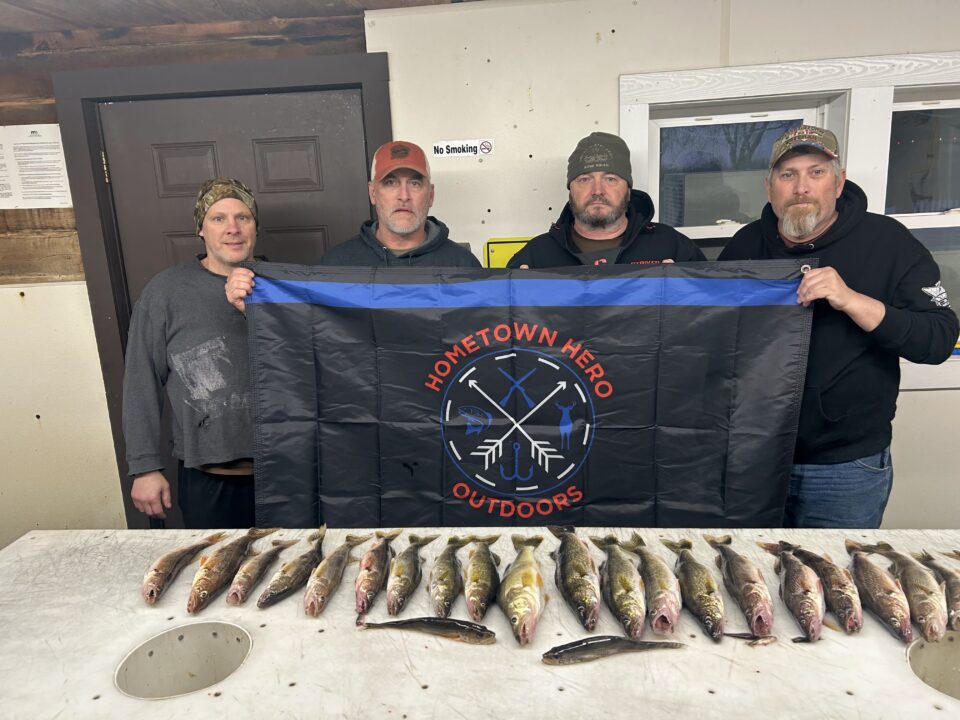
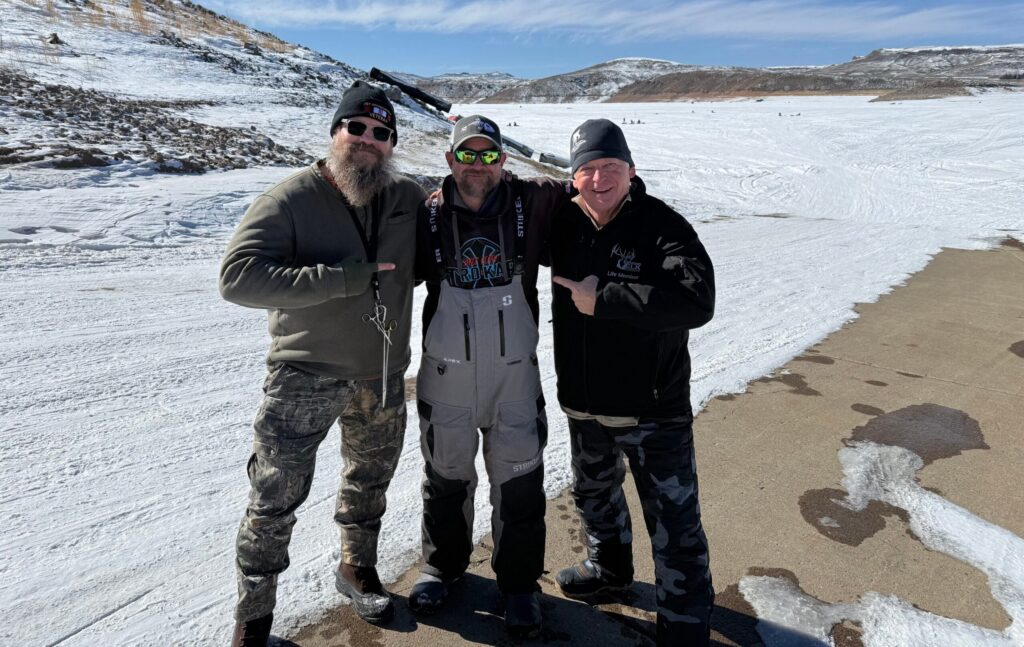
At HHO, our outdoor services provide a therapeutic outlet for veterans, service members, and first responders. Engaging in nature-based activities such as hunting, fishing, and hiking can promote mental health and provide an alternative coping mechanism. While these activities do not replace treatment, they serve as a positive diversion and a means of building community among individuals who share similar experiences.
By partnering with other organizations and providing recommendations for treatment and support, HHO aims to be a resource for those affected by substance abuse, guiding them toward healthier, substance-free lives.
Citations:
- National Institute on Drug Abuse. (2022). “Substance Use in Veterans.”
https://nida.nih.gov/publications/substance-use-veterans - U.S. Department of Veterans Affairs. (2023). “Substance Use Disorders.”
https://www.mentalhealth.va.gov/substanceuse/ - National Fallen Firefighters Foundation. (2023). “Supporting Firefighters in Recovery.”
https://www.firehero.org/ - Alcoholics Anonymous. (2022). “About AA.”
https://www.aa.org/ - Veterans Affairs. (2023). “Peer Support Program.”
https://www.mentalhealth.va.gov/peer-support/ - Substance Abuse and Mental Health Services Administration (SAMHSA). (2022). “Preventing Substance Abuse.”
https://www.samhsa.gov/prevention - National Institute on Drug Abuse. (2021). “Prevention Research.”
https://nida.nih.gov/publications/prevention-research