Transitioning from military to civilian life is one of the most significant challenges veterans face. After years of structured service, the shift to civilian life often brings uncertainty, loss of purpose, and a need to adapt to an entirely new environment. This experience can be mentally and emotionally taxing, and without proper support, veterans may find themselves feeling disconnected, disoriented, and struggling to reintegrate.
The Challenge
For many veterans, the military is not just a career but a way of life. The structure, camaraderie, and sense of purpose provided by the military can be difficult to replicate in civilian society. Veterans often miss the close-knit bonds they built with fellow service members, which are forged through shared hardships and experiences.
Statistics show that up to 44% of veterans report difficulty adjusting to civilian life, with many facing challenges in finding meaningful employment and establishing a new identity outside of their military service . Transitioning veterans may feel a loss of direction, struggle with physical and mental health issues, or face difficulties in navigating the civilian job market.
Employment Struggles
One of the most immediate hurdles veterans face during their transition is finding employment. Despite possessing valuable skills and discipline, many veterans struggle to translate their military experience into civilian terms that employers can understand. According to a survey by the Pew Research Center, nearly one-third of veterans said it was difficult to find work after leaving the military . Additionally, veterans with combat experience may find that the skills they honed in service do not have a direct counterpart in the civilian world, leading to underemployment or job dissatisfaction.
To make matters worse, the job application process itself can be overwhelming for veterans. Writing resumes, navigating job interviews, and negotiating job offers can feel foreign after years of military structure and guidance.
Loss of Purpose and Identity
For many veterans, the military provides a strong sense of identity and purpose. The abrupt end of a military career can leave veterans questioning their role in society. A study conducted by the National Bureau of Economic Research found that feelings of alienation and a loss of purpose were common among transitioning veterans, contributing to increased mental health issues such as depression and anxiety . The lack of structure and the absence of a clear mission can also lead to feelings of aimlessness.
Solutions and Support
Career Counseling and Job Placement
To assist veterans in their transition, programs focused on career counseling and job placement are critical. Services such as the Department of Veterans Affairs’ (VA) Transition Assistance Program (TAP) and non-profit organizations like Hire Heroes USA offer resume writing workshops, interview coaching, and job placement services tailored to veterans. TAP has been shown to reduce unemployment among veterans by providing crucial skills and support during the transition process .
Mentorship Programs
Mentorship programs are another vital support system for veterans. By pairing veterans with individuals who have successfully transitioned to civilian life, these programs offer guidance, encouragement, and insight into how to overcome challenges. Mentors provide practical advice on everything from managing finances to navigating workplace dynamics, while also serving as a trusted source of emotional support.
Educational Opportunities
For veterans looking to gain new skills or pursue higher education, the GI Bill has long been a cornerstone of post-military support. The Post-9/11 GI Bill provides financial assistance for veterans pursuing education or vocational training, helping them transition into civilian careers that align with their goals and interests . Educational institutions across the country have also created veteran-specific programs to ease the transition and accommodate the unique needs of former service members.
Conclusion
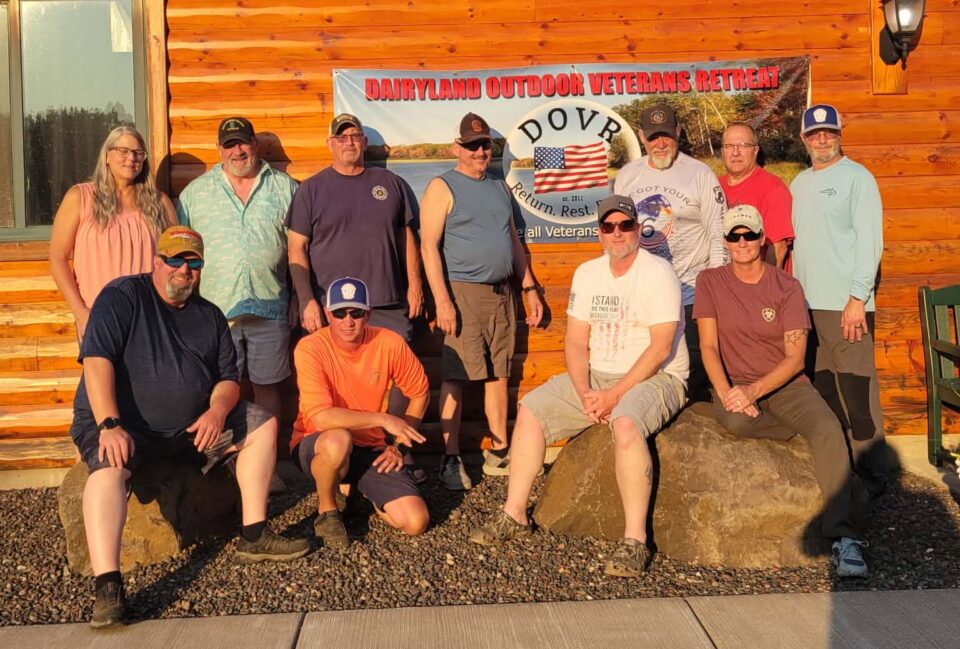
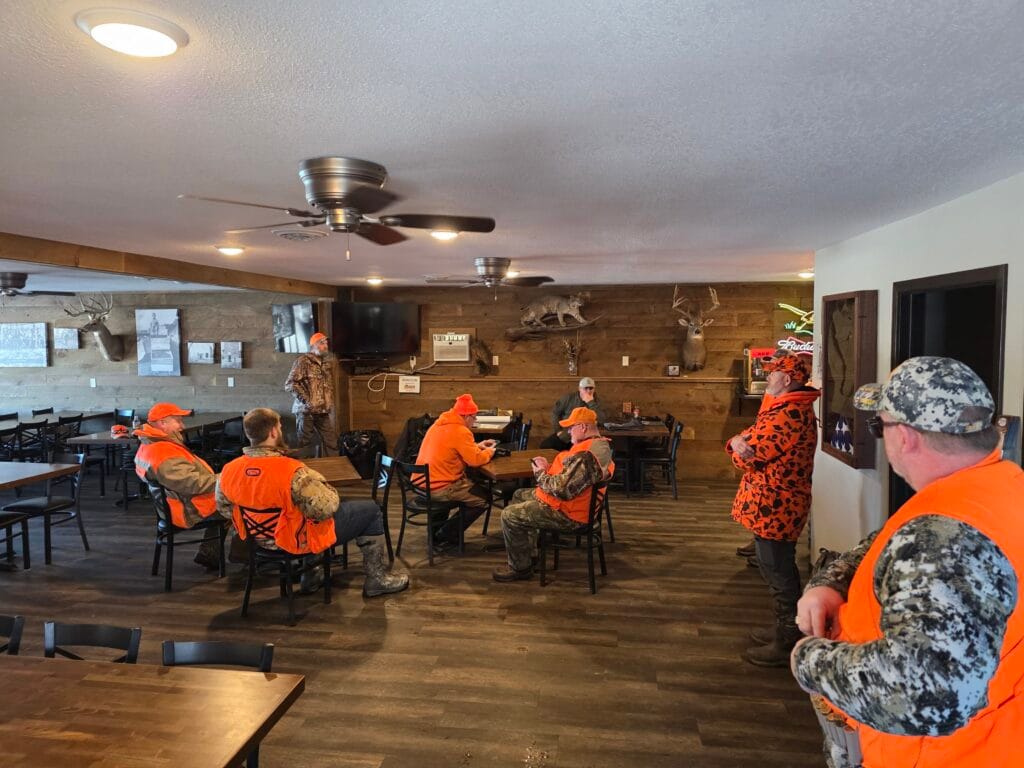
The transition from military to civilian life is a complex and personal journey. While the challenges are numerous, there are resources available to support veterans in finding new purpose, securing meaningful employment, and building a fulfilling life beyond their military service. Organizations like Hometown Hero Outdoors are committed to providing opportunities for veterans to reconnect with their community through outdoor activities, which can help ease the transition by fostering camaraderie and mental well-being.
Supporting veterans through this process isn’t just a duty; it’s a way of showing appreciation for the sacrifices they’ve made. By addressing the unique challenges they face, we can help them thrive in their post-service lives.
Citations:
1. U.S. Department of Veterans Affairs. (2023). “Veteran Employment After Service.”
https://www.va.gov/vetsinworkplace/employment_statistics.asp
2. Pew Research Center. (2019). “The Difficulties Veterans Face in Civilian Life.”
https://www.pewresearch.org/fact-tank/2019/07/10/why-some-veterans-struggle-after-leaving-military
3. National Bureau of Economic Research. (2020). “Challenges Veterans Face in Reintegration.”
https://www.nber.org/papers/w28356
4. U.S. Department of Veterans Affairs. (2022). “Transition Assistance Program (TAP).”
https://www.benefits.va.gov/tap
5. U.S. Department of Veterans Affairs. (2021). “Post-9/11 GI Bill.”