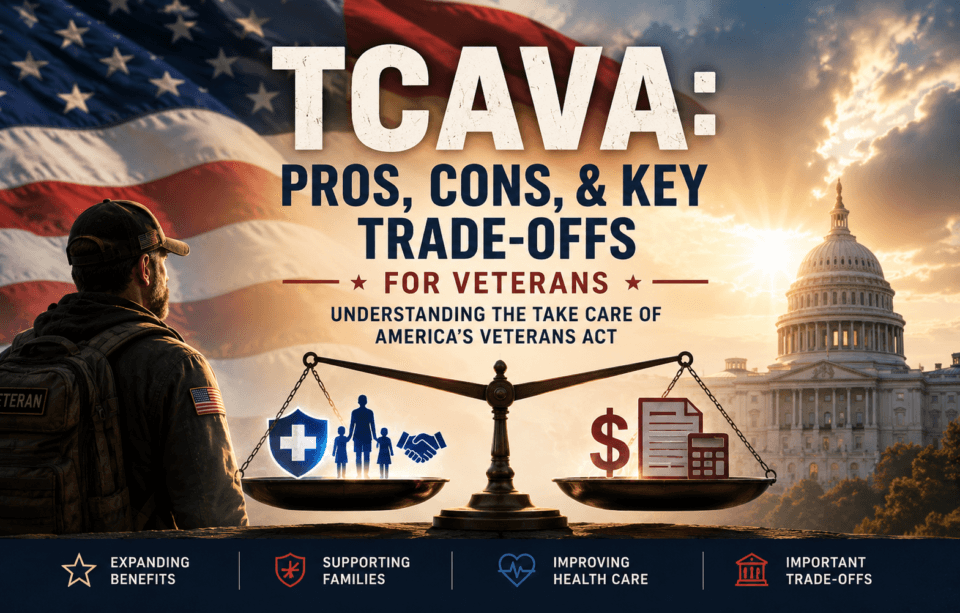
Up to $57 Billion in Future Veterans’ Benefits at Risk? What H.R. 9237 Could Change
As Veterans Day approaches, Congress is considering changes to VA disability ratings for sleep apnea and tinnitus. Here’s what veterans and their families need to know.
On the eve of Veterans Day, the U.S. House of Representatives has listed H.R. 9237, the Take Care of America’s Veterans Act (TCAVA), for possible consideration on November 11, 2026.
The legislation includes numerous proposals aimed at improving veterans’ programs, health care, and benefits. But tucked into the package is Section 108, which would change how the Department of Veterans Affairs assigns disability ratings for service-connected sleep apnea and tinnitus.
For some veterans filing future claims, those changes could mean significantly lower disability compensation. What Would Change for Sleep Apnea and Tinnitus?
Sleep apnea: Under the current VA schedule, service-connected sleep apnea requiring a CPAP or similar breathing-assistance device generally qualifies for a 50% rating. Under Section 108, a condition without symptoms—with or without treatment—would receive 0%. Treatment providing incomplete relief would generally qualify for 10%. Higher ratings would remain available under narrower, more severe criteria.
Tinnitus: Veterans with recurrent service-connected tinnitus can currently qualify for a separate 10% disability rating. The proposal would generally eliminate a separate compensable tinnitus rating, retaining a limited 10% exception tied to certain service-connected hearing-loss cases.
These changes would not automatically reduce compensation already being paid to veterans. Section 108 expressly protects compensation in effect before enactment. The new rating criteria would apply to claims filed after the law takes effect.
That distinction matters. This is primarily a debate about how future veterans and future claims would be compensated—not an immediate cancellation of everyone’s existing VA disability benefits.Where Does the $57 Billion Figure Come From?
Disabled American Veterans (DAV), citing an analysis from the VA’s 2022 regulatory analysis, says the changes could reduce future disability compensation by as much as $57 billion over 10 years, potentially affecting up to 1.5 million veterans.
That figure is an estimate of potential future reductions, not money already taken away.
The Veterans of Foreign Wars (VFW) and DAV have raised serious objections to using projected reductions in disability compensation to offset the cost of other veterans’ benefits.
Supporters of the broader legislation argue that it would improve numerous veterans’ programs and modernize disability-rating criteria using proposals first advanced by VA in 2022. Critics argue that modernizing the system should not mean significantly reducing what future veterans receive for the same service-connected conditions.What About the Major Richard Star Act?
Another key issue is the Major Richard Star Act, which would help certain combat-injured military retirees receive both the military retirement pay and VA disability compensation they earned, without the current offset.
The larger TCAVA package includes a version of this reform. The VFW is urging Congress to oppose TCAVA as currently written and instead pass a clean, stand-alone Major Richard Star Act without financing improvements through reductions in future disability compensation.
These are important benefits, and the debate shouldn’t be reduced to whether veterans deserve better support. The question is whether helping one group of veterans should come at the expense of another.Why This Matters to Hometown Hero Outdoors
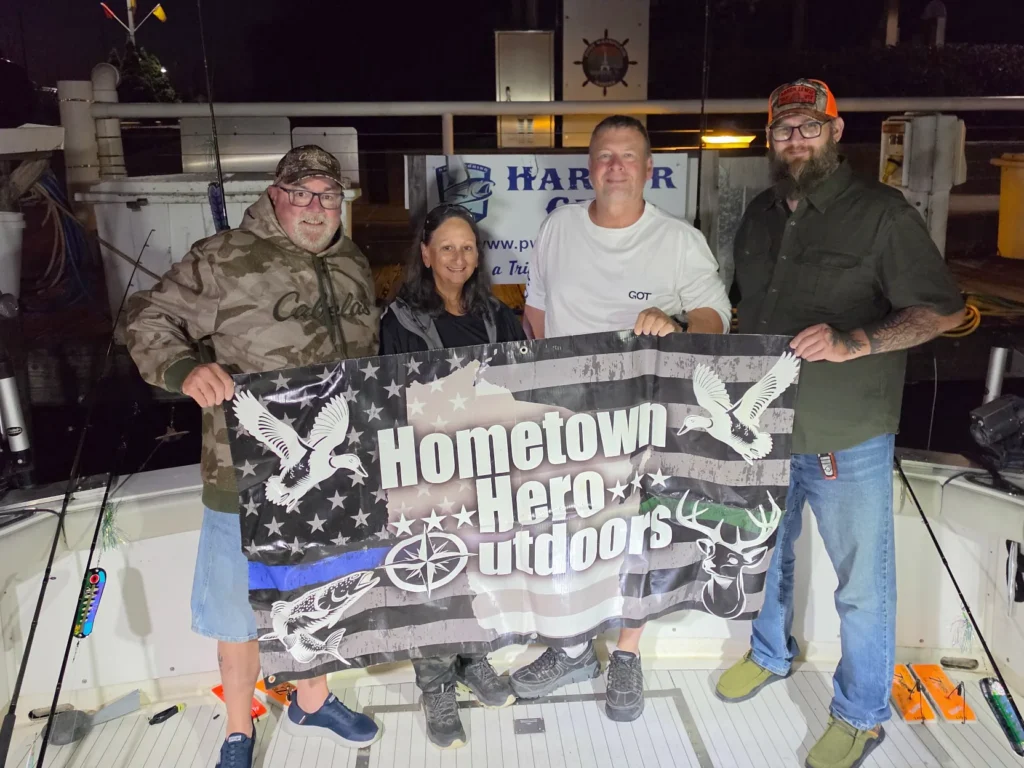
At Hometown Hero Outdoors, our mission is to reconnect military service members, veterans, and first responders with purpose, community, and healing through outdoor experiences.
We see firsthand that service does not end when someone takes off the uniform—and neither do its effects. Whether an injury is visible or invisible, the people who served deserve accurate information about policies that could affect their futures.
A veteran’s service-connected condition does not become less real because a claim is filed under a different set of rules.
With Veterans Day upon us, the timing is a reminder that honoring service means more than saying thank you. It means paying attention to the decisions that shape veterans’ lives long after their service ends.Read the Legislation. Stay Informed. Make Your Voice Heard.
H.R. 9237 has not become law. The House’s November 11 schedule lists it as legislation that may be considered, not a guaranteed final vote or passage.
We encourage veterans, military families, and supporters to read the legislation, review the concerns raised by national veterans organizations, and contact their elected representatives with questions or concerns.
Honor the service. Honor the sacrifice. Honor the promise.Sources and Further Reading
- Official text of H.R. 9237, Section 108: https://www.govinfo.gov/content/pkg/BILLS-119hr9237ih/html/BILLS-119hr9237ih.htm
- VFW action alert (November 4, 2026): https://www.vfw.org/media-and-events/latest-releases/archives/2026/11/vfw-action-alert-tell-congress-protect-veterans-benefits-pass-the-major-richard-star-act
- DAV statement explaining the estimate (June 10, 2026): https://www.dav.org/learn-more/news/2026/dav-condemns-congressional-proposal-to-cut-disability-benefits-for-1-5-million-veterans/
- Official House schedule: https://www.majorityleader.gov/schedule/default.aspx?mod=livecoverage_web