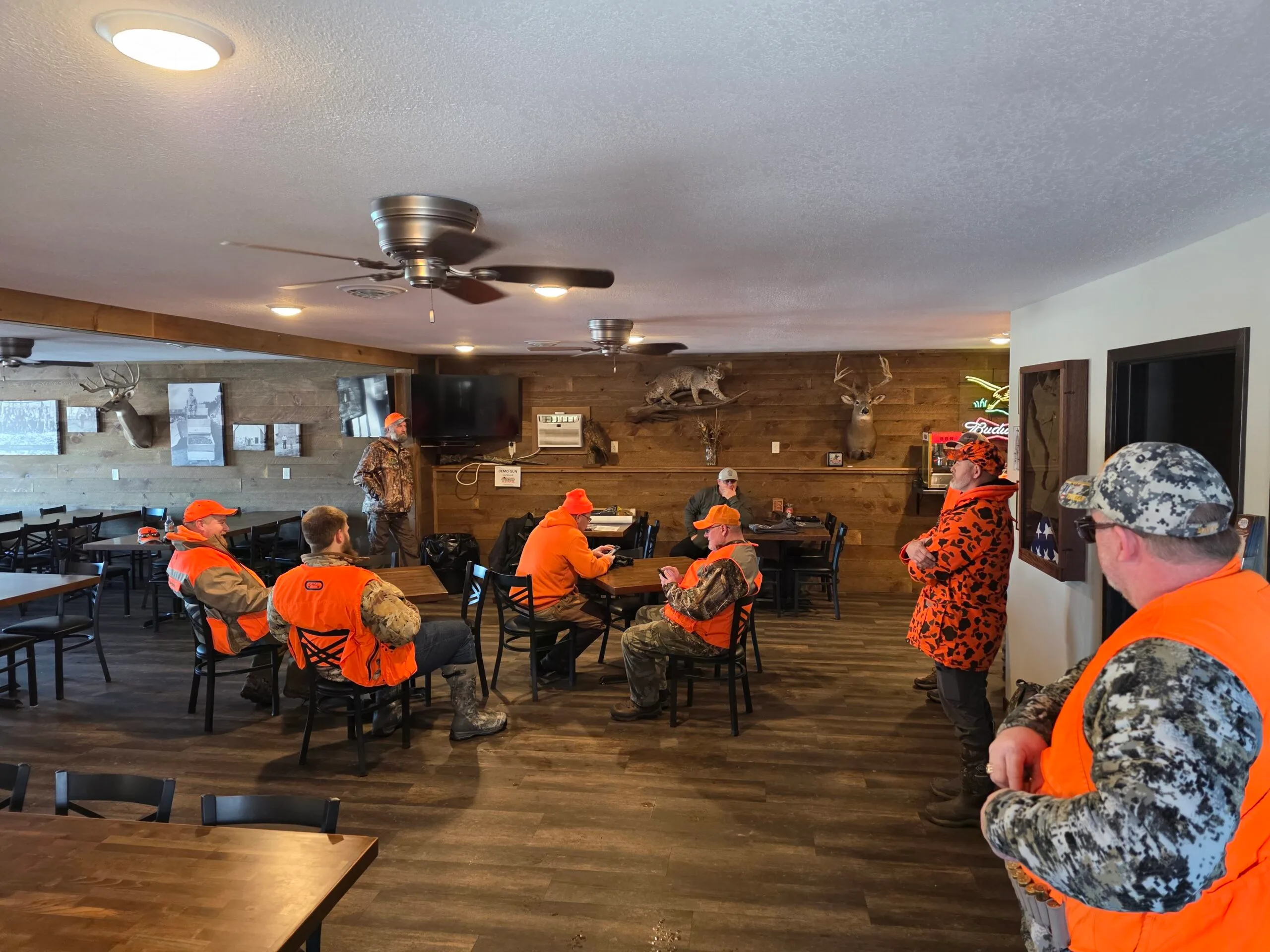
If you have never participated in an outdoor program for veterans, military service members, or first responders, it is normal to wonder what you are actually signing up for. You may have questions about experience requirements, equipment, who will be there, what the schedule looks like, or whether the trip will feel highly structured.
Every trip is different, but most Hometown Hero Outdoors experiences share the same basic idea: the outdoor activity brings people together, while the time spent with other participants creates opportunities for connection, camaraderie, and a break from everyday routines.
Here is what you can generally expect.
Start With the Trip Details
Before applying for any outdoor trip, read the full adventure description. HHO experiences can range from a local day of fishing to multi-day hunting trips that involve travel, lodging, specialized equipment, licenses, or specific experience.
The trip listing should explain important details such as dates, location, eligibility, lodging, meals, equipment requirements, licenses, physical demands, experience level, participant costs, and application deadlines. Those details matter because no two adventures are exactly alike.
If you are new to HHO, the How It Works page explains membership, eligibility, and how participants apply for available trips.
You Probably Won’t Know Everyone
Many participants arrive on their first HHO trip knowing few, if any, of the other people attending. That is completely normal.
What you do have in common is some form of service. The people around you may understand deployments, shift work, long hours, missed holidays, difficult calls, military culture, or the transition between service and civilian life. That shared background often makes conversation easier, even when people come from different branches, departments, communities, or generations.
There is no expectation that anyone has to arrive and tell their story. Often the conversations that matter most happen naturally while sitting in a boat, setting decoys, walking a field, preparing gear, or sharing a meal.
Expect a Host, Leader, or Guide
Depending on the adventure, HHO staff, field staff, volunteers, guides, outfitters, or partner organizations may help coordinate the experience. They are there to make sure participants know where to be, what to bring, and what to expect.
Before or during the trip, they may cover schedules, meeting locations, transportation, safety requirements, lodging, meals, hunting or fishing plans, and local regulations. Pay attention to the communication that comes after you are selected because it will usually include more detail than the public trip listing.
If something is unclear, ask. It is better to confirm expectations ahead of time than arrive unsure of what you need.
Experience Requirements Vary
You do not necessarily need to be an experienced hunter or angler to participate in an HHO adventure. Some trips are well suited for beginners, while others require specific skills, equipment, licenses, or physical capabilities.
That is why the individual trip description matters. If an adventure requires previous experience, specialized equipment, or a certain level of mobility, it should be clearly communicated. If you are unsure whether you are a good fit for a particular trip, ask before applying.
You can also learn more about the types of hunting and fishing trips HHO offers.
Bring What the Trip Asks For
There is no universal packing list for HHO adventures because a South Texas deer hunt is very different from Minnesota ice fishing or a summer fishing trip.
Participants may need weather-appropriate clothing, good footwear, licenses, blaze orange, firearms, fishing gear, ammunition, tackle, medication, personal items, coolers, or other trip-specific equipment. Some trips provide firearms, ammunition, tackle, meals, lodging, or other gear. Others require participants to bring their own.
Read the trip details carefully and follow the packing guidance provided by the host or coordinator. If you do not have something that is required, do not automatically assume you cannot participate. Depending on the trip, HHO or a partner may be able to help with equipment or suggest another solution.
Safety Comes First
Every outdoor activity carries some level of risk, and organized hunting and fishing trips have to take safety seriously.
Depending on the adventure, participants may receive instructions about firearm handling, shooting zones, boating safety, weather, terrain, ice conditions, transportation, emergency procedures, or other trip-specific concerns. Guides and trip leaders may also establish rules beyond normal hunting or fishing regulations based on the location or activity.
Those expectations are there for a reason. Following them helps make sure everyone gets to enjoy the trip and return home safely.
Be Ready for the Plan to Change
Outdoor activities depend on things that nobody controls very well: weather and wildlife.
Wind shifts. Fish stop biting. Birds move. Ice conditions change. Animals do not follow the schedule. A trip may need to change locations, alter the timing, or adjust the plan entirely based on conditions.
That is part of being outdoors, and some of the most memorable trips happen when things do not go exactly as expected. Flexibility is part of the experience.
The People May Matter More Than the Activity
Catching a trophy fish or harvesting an animal can be memorable, but many participants remember the people just as much as the hunting or fishing.
They remember the conversations, meals, jokes, stories, and the experience of meeting someone who understands part of their background without needing a long explanation. That connection is one of the reasons HHO uses outdoor activities as the setting for these trips.
Our page on how outdoor experiences support veterans and first responders explains why shared outdoor experiences can create a natural environment for connection and community.
There is no pressure to perform socially, either. HHO trips are not therapy sessions and they are not networking events. Participants can talk, listen, hunt, fish, laugh, eat, and enjoy being outside without feeling like they are expected to share more than they want to.
What Happens After the Trip?
Ideally, the experience does not end when everyone drives home.
Participants may exchange numbers, stay in touch, attend another trip, become volunteers, or help someone else get involved. The goal is not simply to create a good weekend. It is to create opportunities for relationships and community that can continue beyond the trip itself.
That ongoing connection is part of what HHO is building through its outdoor programs for veterans and first responders.
If one type of trip is not the right fit, another one may be. Hunting, fishing, day trips, multi-day experiences, and different locations all create very different kinds of outdoor experiences.
Thinking About Applying?
Start by browsing the current HHO adventures and reading the details carefully. Look for a trip that fits your interests, availability, experience level, and location.
You do not need to know everyone attending, own the best gear, or prove anything to anyone. Come prepared, follow the trip requirements, participate at your own pace, and be open to spending some time outside with people who understand service.