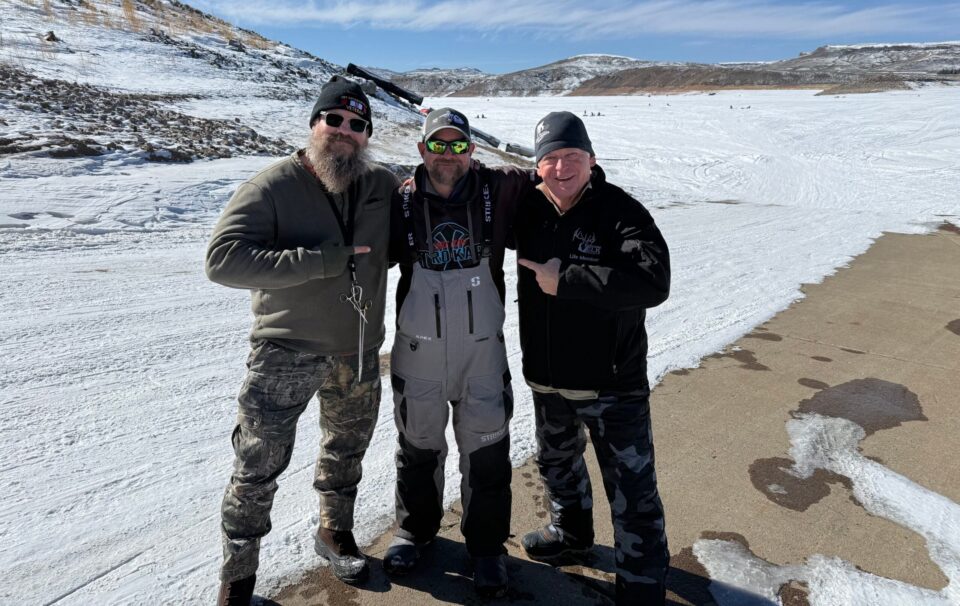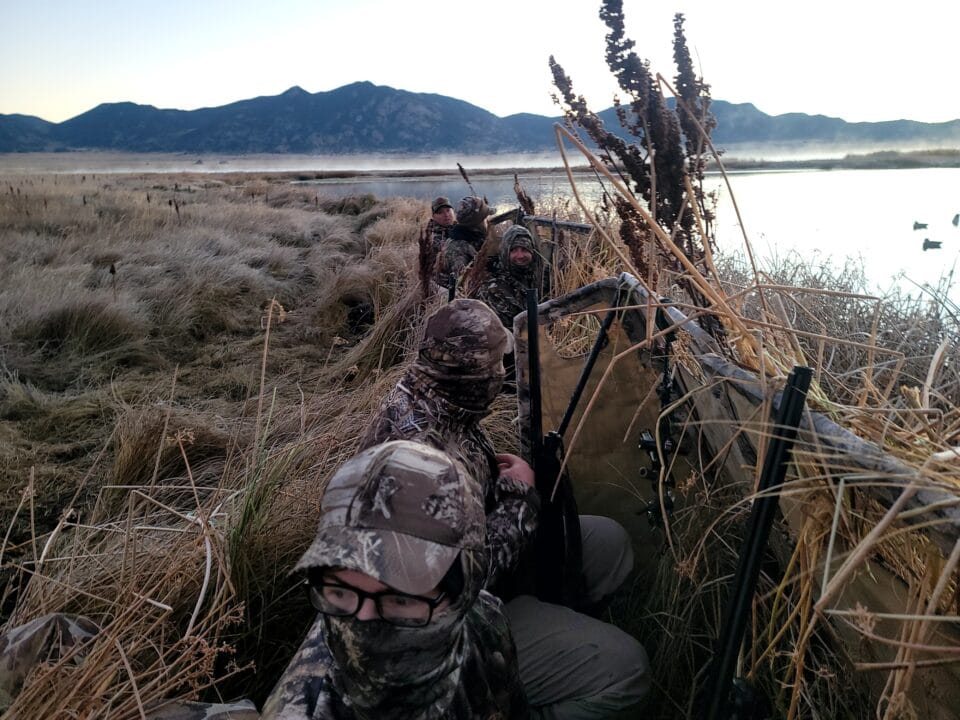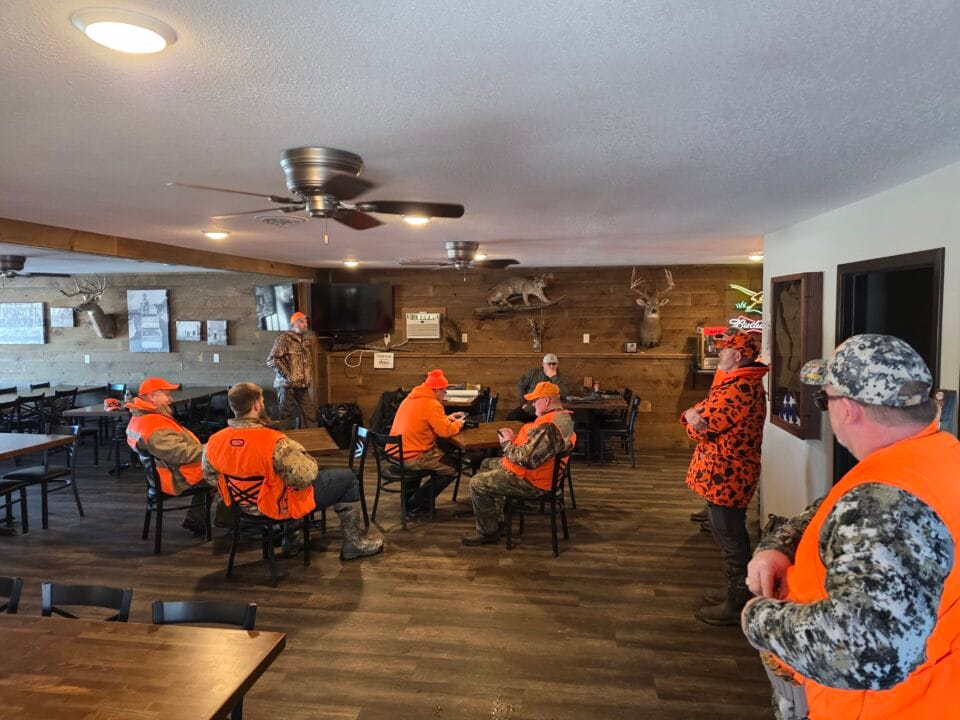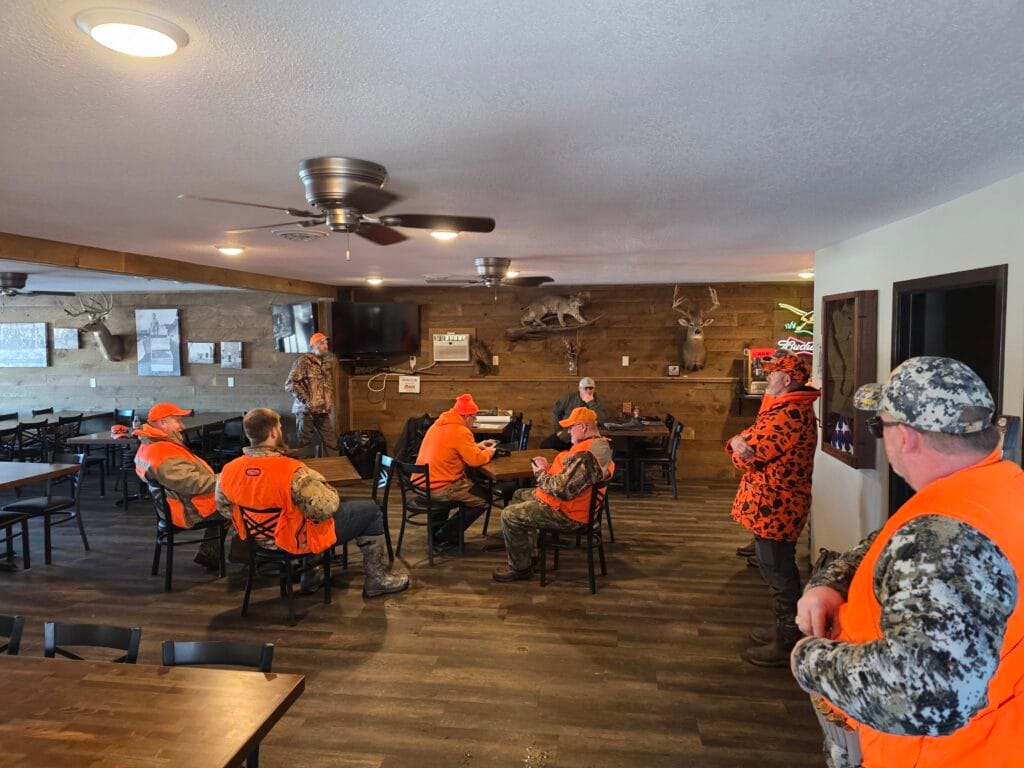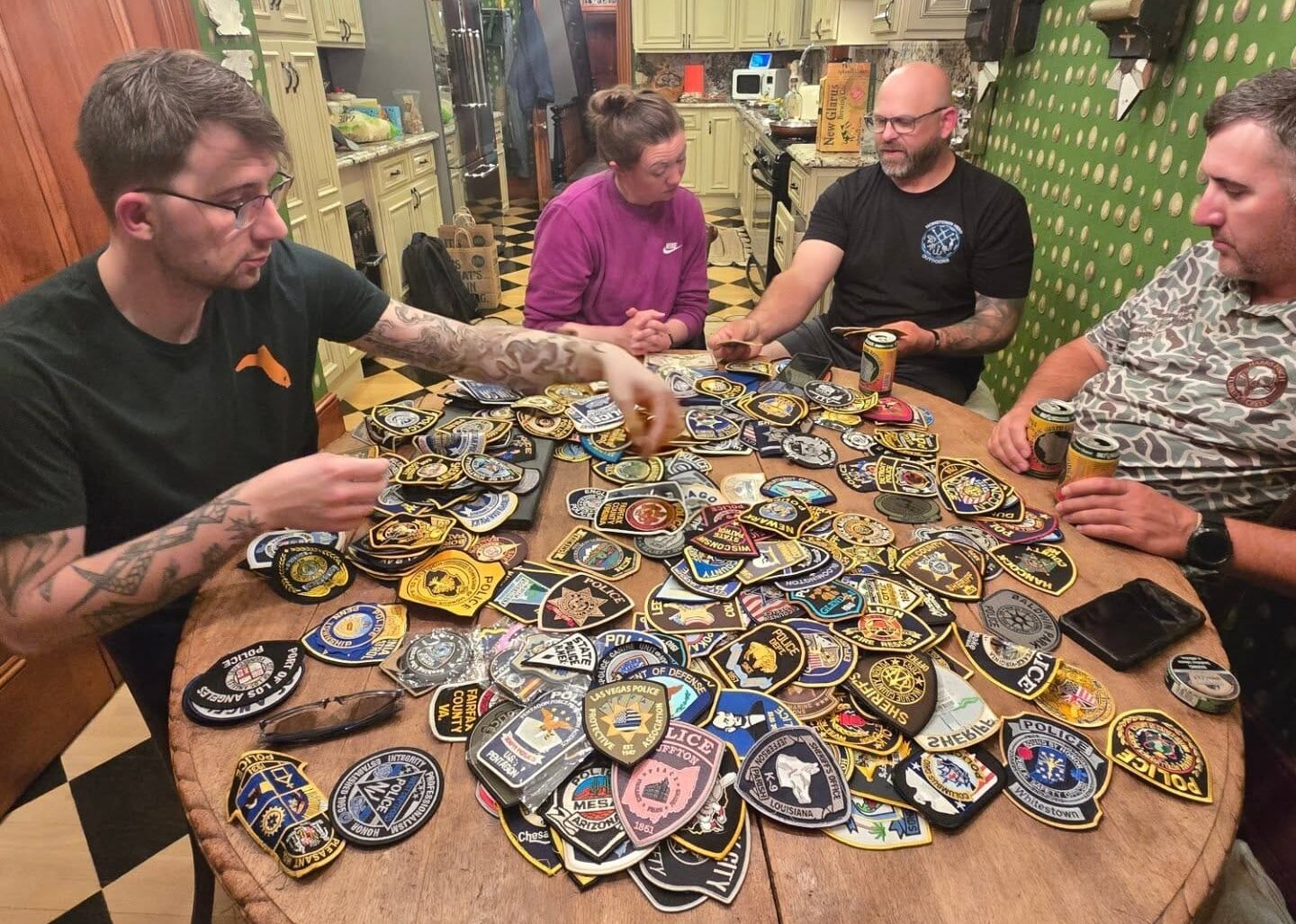
A hunting or fishing trip may last a day, a weekend, or a few days away from home. The relationships built during that time can last much longer.
That is one of the most important parts of veteran and first responder outdoor programs. The activity creates a reason for people to come together, but the value does not necessarily end when the boats are loaded, the guns are cased, or everyone heads home.
When participants stay connected, return for future trips, become volunteers, or help someone else get involved, a single outdoor experience can become part of a much larger community.
Shared Experiences Create a Strong Starting Point
Relationships often form more naturally when people are doing something together.
On an outdoor trip, participants may spend hours preparing gear, traveling, hunting, fishing, cooking, and sharing downtime. That repeated interaction gives people opportunities to get to know one another without the pressure of formal introductions or structured conversation.
The experience itself becomes common ground.
HHO’s outdoor programs for veterans and first responders are built around that shared experience. The hunt or fishing trip matters, but so does the time around it.
A Trip Can Turn Into Another Invitation
One of the simplest signs that a connection has formed is what happens after the trip.
Someone may exchange phone numbers with another participant. A few people may decide to fish together again. Someone may hear about another HHO opportunity and encourage a friend from the first trip to apply.
Those small follow-up connections are how community grows.
A person who attended one trip as a stranger may arrive at the next one already knowing several people. That changes the experience and makes it easier to continue building relationships.
Participants Can Become Mentors
Outdoor programs also create natural opportunities for experienced hunters and anglers to help newer participants.
Someone who has hunted pheasants for years may help a first-time upland hunter understand how to move through a field. An experienced angler may show someone how to rig a line, use unfamiliar equipment, or read the water. Another participant may simply help someone figure out what clothing or gear they need for the next trip.
Those interactions do not need to be formal mentoring programs to matter.
Over time, someone who was new on their first adventure may become the person helping someone else. That creates continuity and gives participants a way to contribute to the community as their own experience grows.
Volunteers Often Come From the Participant Community
Some participants eventually decide they want to give something back.
They may volunteer at events, help with future trips, support fundraising efforts, assist with logistics, or encourage someone else to join. In that way, the relationship between HHO and a participant can continue long after their first adventure.
This creates a cycle where people who once received an opportunity can later help create opportunities for others.
That kind of involvement strengthens the organization because the community is not built only by staff. It is built by the people who keep showing up.
Peer Relationships Can Continue Outside HHO
Not every connection created on an HHO trip needs to remain inside an HHO event.
Participants may hunt or fish together independently, stay in touch through social media, call one another, meet up locally, or simply know there is someone they can reach out to who understands part of their background.
That is one reason peer connection is so valuable.
The organization creates the initial opportunity, but the relationship can take on a life of its own. You can learn more about the role of shared experience on HHO’s page about how outdoor experiences support veterans and first responders.
Chapters Help Build Local Community
National trips can create memorable experiences, but local connections matter too.
HHO chapters and regional volunteers can help participants discover opportunities closer to home, meet people from their area, and stay involved without needing to travel across the country every time.
That local presence makes it easier for relationships to continue between larger trips and gives participants more ways to stay connected to the organization.
When people begin to recognize the same names and faces at events, trips, and volunteer activities, the organization starts to feel less like a program they attended and more like a community they belong to.
The Activity May End, but the Connection Can Continue
A successful outdoor program is not only measured by what happened during the hunt or on the water.
The number of birds harvested, fish caught, or miles traveled matters less than whether the experience created something meaningful for the people who participated.
That may be a new friendship, a future hunting partner, a mentor, a volunteer role, or simply a stronger sense that there are people out there who understand where you are coming from.
HHO’s hunting and fishing experiences provide the setting. The community grows through what participants choose to do with those connections afterward.
Community Is Built One Trip at a Time
There is no single event that creates a community.
It happens gradually as people attend, reconnect, invite others, volunteer, mentor, and come back again.
One trip may introduce two people who become lifelong friends. Another may give someone the confidence to attend a second event. Another may inspire a participant to become a volunteer.
Over time, those individual experiences add up.
That is how veteran and first responder outdoor programs become more than a calendar of trips. They become a network of people who continue showing up for one another long after the adventure ends.