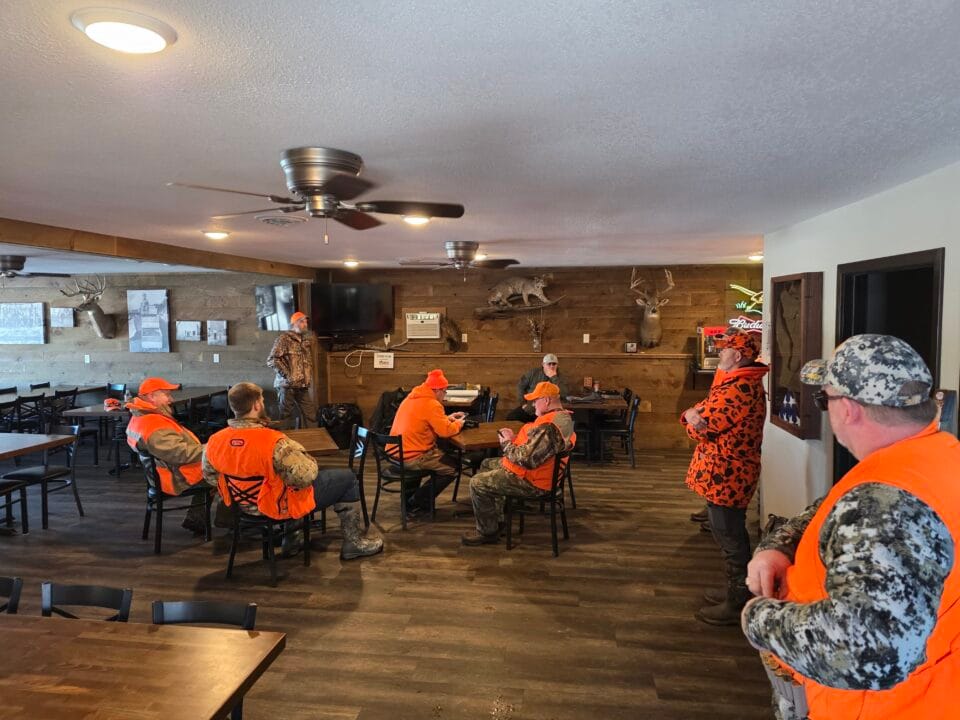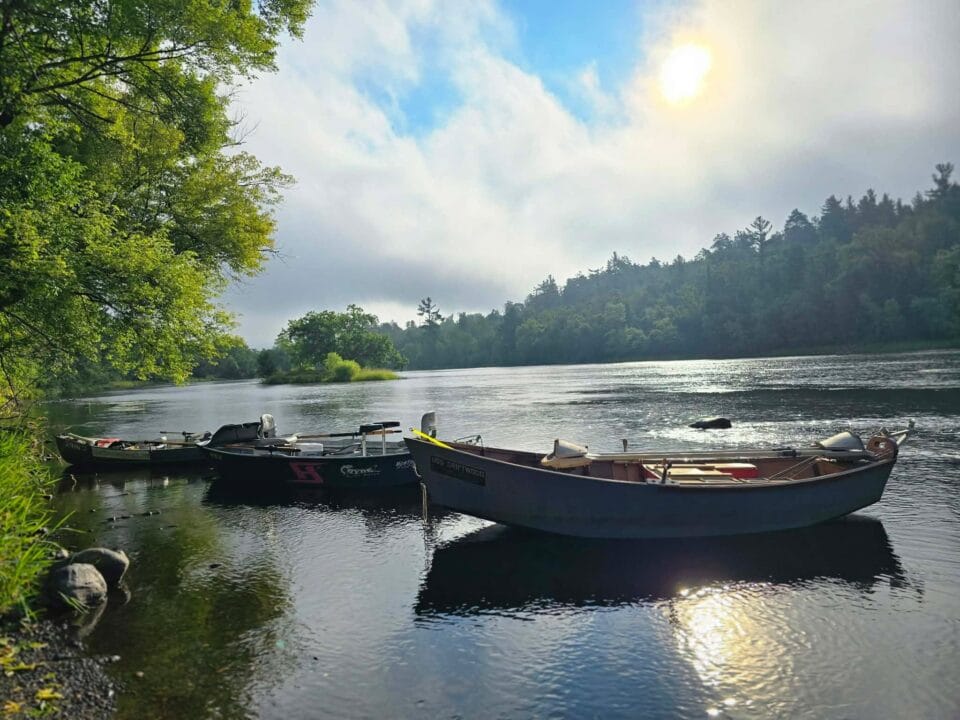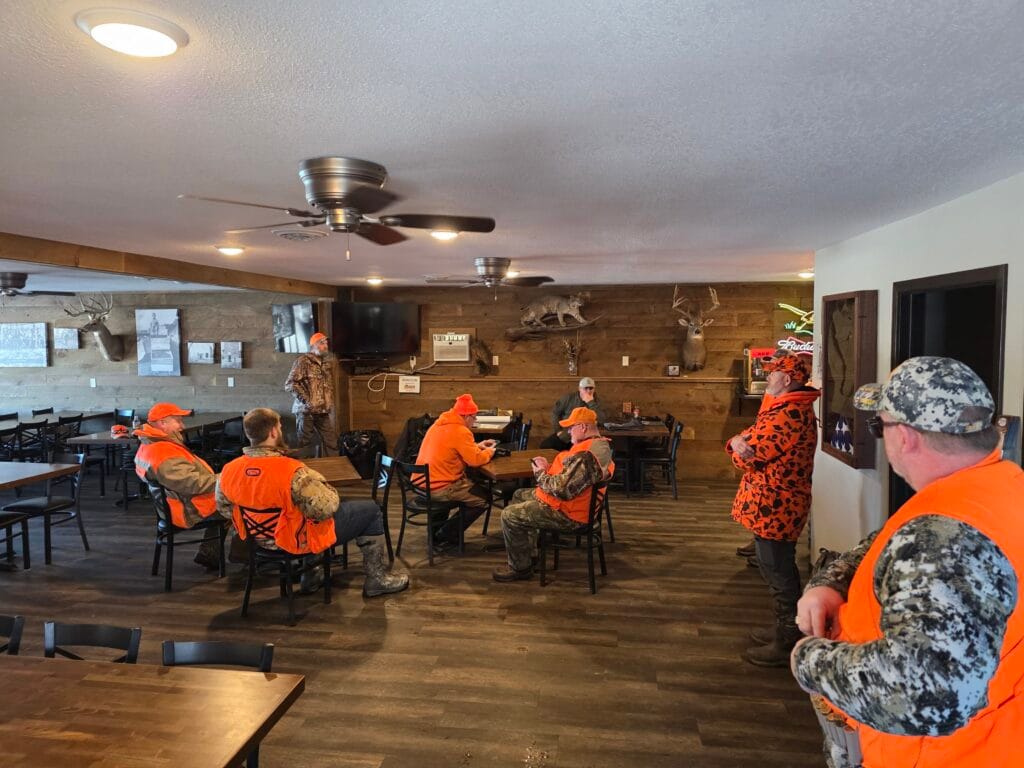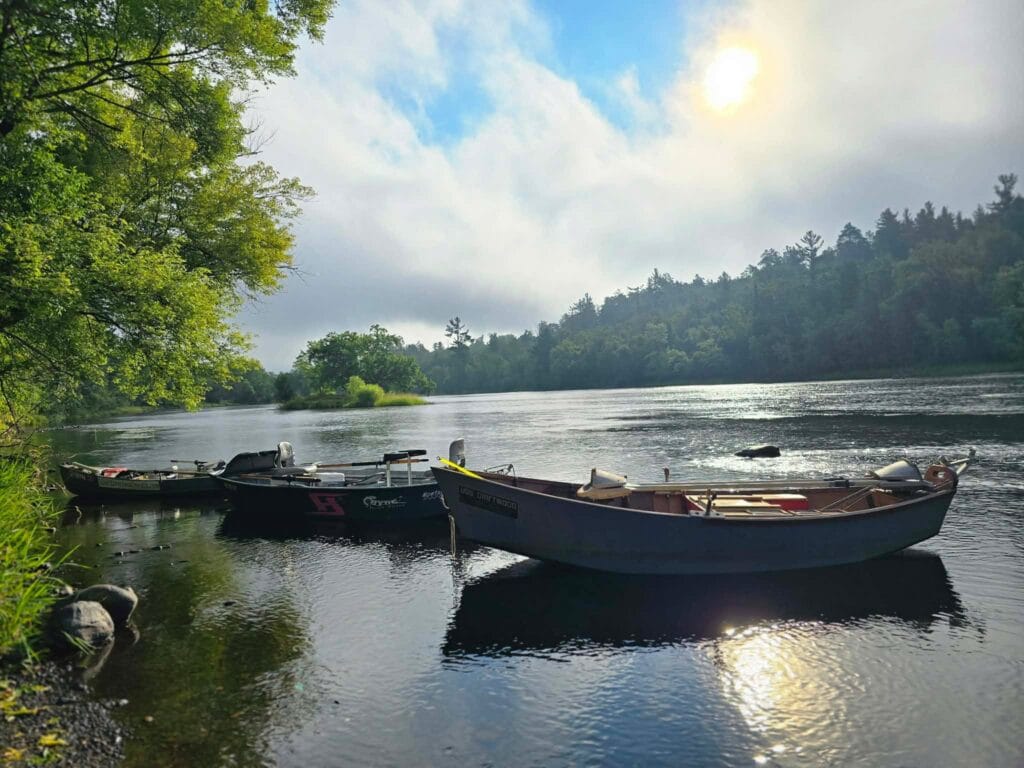
Introducing someone to hunting is one of the best ways experienced hunters can help keep the tradition alive. For many people, though, the biggest obstacle is not a lack of interest. It is simply not knowing where to start, what they need, or who can show them the ropes.
A successful first hunt should not be measured only by whether someone fills a tag or brings home birds. For a new hunter, success may mean feeling comfortable handling a firearm, understanding what is happening around them, learning something useful, and leaving the field wanting to go again. Whether you are taking a friend, family member, veteran, first responder, or someone who has simply never had the opportunity to hunt, the way you introduce them to the experience matters.
Start Before You Get to the Field
A first hunt should not begin when you step out of the truck. Spend some time beforehand explaining what the day will look like, how long you expect to be out, what the terrain is like, what kind of weather you may encounter, and what type of hunting you will be doing.
Experienced hunters often forget how many things they take for granted. A person who did not grow up hunting may not know what blaze orange is required, how much walking is involved, what an ethical shot looks like, or what happens after an animal is harvested. Covering those basics ahead of time reduces uncertainty and helps the new hunter focus on the experience rather than worrying about whether they are doing something wrong.
This is also the time to review firearm or bow safety, licenses, regulations, clothing, footwear, and any equipment they will need. The goal is not to overwhelm them with information. It is to remove as many surprises as possible before the hunt starts.
Don’t Make Gear a Barrier
One of the fastest ways to discourage someone who is interested in hunting is to make it feel like they need to spend hundreds or thousands of dollars before they can even try it. Experienced hunters may own multiple firearms, specialized boots, packs, optics, and clothing for every season, but a beginner does not need all of that on day one.
Help them borrow what they can and focus on the essentials: a safe and appropriate firearm or bow, ammunition, required safety clothing, weather-appropriate layers, good footwear, licenses or permits, and basic eye and ear protection when appropriate. If specialized gear is needed, explain why instead of simply handing them a shopping list.
This is something we see often through Hometown Hero Outdoors hunting and fishing programs. Sometimes the biggest hurdle is not willingness to participate. It is simply not having the right equipment or not knowing what is actually necessary.
Choose the Right First Hunt
Your favorite hunt may not be the best first hunt for someone else. A long sit in freezing temperatures, an aggressive upland hunt over difficult terrain, or a highly technical waterfowl setup may be normal for an experienced hunter but miserable for someone on their first outing.
Choose a hunt that gives the new hunter time to learn and ask questions without feeling rushed. A short pheasant hunt, an afternoon in a deer stand, a small-game outing, or a controlled hunt with an experienced mentor can all work well. The best first hunt is usually one where the new hunter has enough going on to stay engaged but still has room to absorb what is happening.
The purpose is not to show them how difficult hunting can be. It is to help them understand why so many people find it rewarding.
Let Them Set the Pace
A new hunter may be trying to process firearm safety, where everyone is standing, which direction is safe to shoot, whether they have correctly identified the animal, whether the shot is ethical, and what they are supposed to do next—all in a matter of seconds.
That can be a lot.
Do not rush them into taking a shot. If they are not comfortable, let the opportunity pass. If they miss, do not make it a big deal. If they decide they would rather watch the first opportunity instead of shooting, that is fine too. Confidence comes from repetition and experience, and the quickest way to ruin that confidence is to make someone feel like they failed because they did not perform perfectly on their first hunt.
Explain the Why, Not Just the What
Good mentors do more than tell someone what to do. They explain why hunters do it.
Explain why you wait for a better shot angle, why certain distances are too far, why wind direction matters, why you stay out of certain areas, or why tracking an animal carefully after the shot is important. Those conversations teach safety, ethics, conservation, and respect for the resource.
They also help the new hunter understand that hunting is not simply about pulling a trigger. It is a process that includes preparation, judgment, responsibility, and respect for the animal and the landscape.
Make the Experience About More Than the Harvest
Some of the best hunts end without an animal in the truck. The conversation in the blind, breakfast afterward, watching dogs work through a field, seeing wildlife, or simply spending a few hours outside can become the part someone remembers most.
That is also part of why outdoor experiences can be meaningful for veterans, military service members, and first responders. HHO trips are built around more than the activity itself. They create opportunities for people to spend time outdoors and connect through a shared experience. You can learn more about how outdoor experiences support participants.
If the entire day becomes focused on whether the new hunter harvests an animal, the pressure can overwhelm the experience. Let the hunt be enjoyable even when the game does not cooperate.
Teach What Happens After the Shot
For many new hunters, the biggest unknown comes after an animal is harvested. Take the time to show them what happens next instead of doing everything yourself.
That may include tracking and recovering the animal, safely handling firearms after the shot, field dressing, transporting game, caring for meat, cleaning equipment, or preparing the animal for processing. Let them participate in the process at a level that is comfortable for them.
For many hunters, understanding where food comes from and taking responsibility for the entire process is one of the most meaningful parts of hunting. That lesson is easy to miss if the experienced hunter handles everything once the animal is down.
Ask Them What They Thought
After the hunt, ask them what they liked, what they did not, and whether they would want to do it again. Then actually listen to the answer.
They may have loved the hunt but hated the cold. They may have enjoyed being outside but felt nervous handling the firearm. They may want to try fishing, waterfowl, deer hunting, or something entirely different next time. A good mentor does not try to turn a new hunter into a copy of themselves. They help that person discover what parts of the outdoor experience they enjoy.
Most hunters can remember someone who helped them get started. For some, that was a parent or grandparent. For others, it was a friend, coworker, mentor, or organization that gave them an opportunity they otherwise would not have had.
Hometown Hero Outdoors creates outdoor programs for veterans, service members, and first responders across the country, but introducing someone to the outdoors does not have to happen through an organized program. Sometimes it starts with something much simpler: inviting someone along and showing them how.