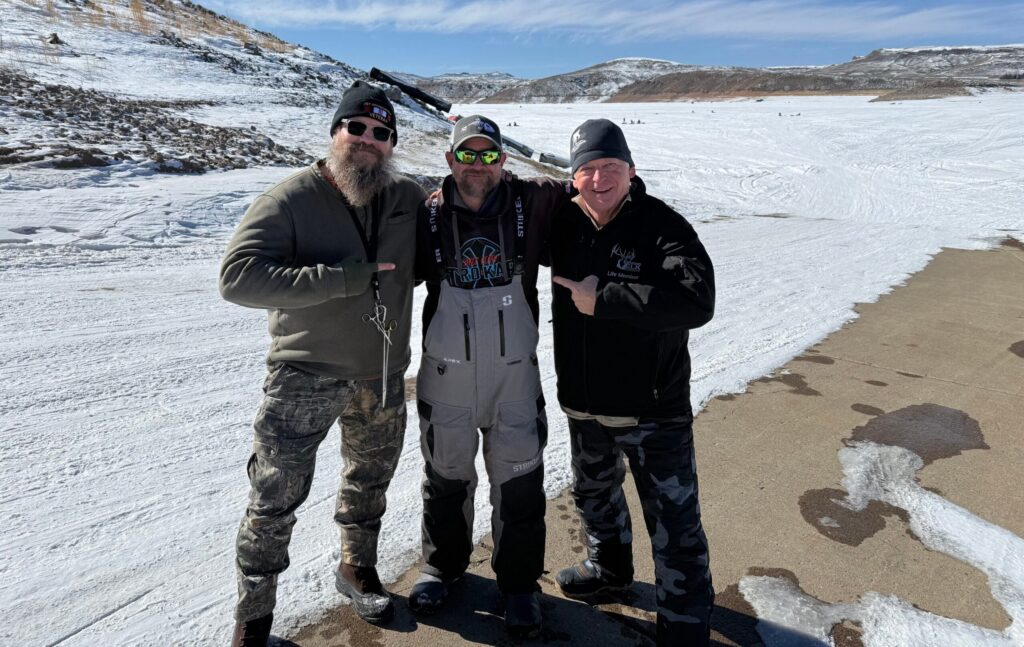
At Hometown Hero Outdoors (HHO), our mission is to serve those who have served us. This September, during Suicide Prevention Month, we highlight why mental health awareness and suicide prevention are central to our work.
Veterans, active-duty military, and first responders face some of the highest suicide rates in the United States. Our responsibility is to ensure they have healthy outlets, strong peer connections, and the restorative power of the outdoors before crisis takes hold.
The Hard Truth: Suicide Among Our Nation’s Heroes
The numbers tell a devastating story:
- In 2022, 6,407 U.S. veterans died by suicide—an average of 17.6 every day. Veterans represent less than 8% of the population but account for over 13% of all suicides nationwide.
- Suicide is the second-leading cause of death for veterans under 45.
- Since 9/11, more than 30,000 service members have died by suicide—over four times the number killed in combat.
- For first responders, the crisis is just as real. Research shows that firefighters are more likely to die by suicide than in the line of duty, and studies estimate that up to 37% of police officers, firefighters, and EMTs have seriously contemplated suicide. Rates of depression, PTSD, and substance use are significantly higher among these professions compared to the general public.
Together, these statistics highlight a shared reality: whether serving overseas or in our own communities, the burden carried by veterans, service members, and first responders can be overwhelming. Without proper outlets, support systems, and interventions, too many of our heroes are lost to suicide.

The Hidden Wounds: PTSD, TBI, and Anxiety
Behind these numbers are the invisible injuries. Post-traumatic stress disorder (PTSD), traumatic brain injury (TBI), depression, and anxiety are widespread among veterans and first responders.
One study found that veterans living with both TBI and mental health disorders are likely to take their lives sooner than those without such conditions. These silent injuries can be as life-threatening as physical wounds sustained in combat or service.

Healing Happens Outdoors
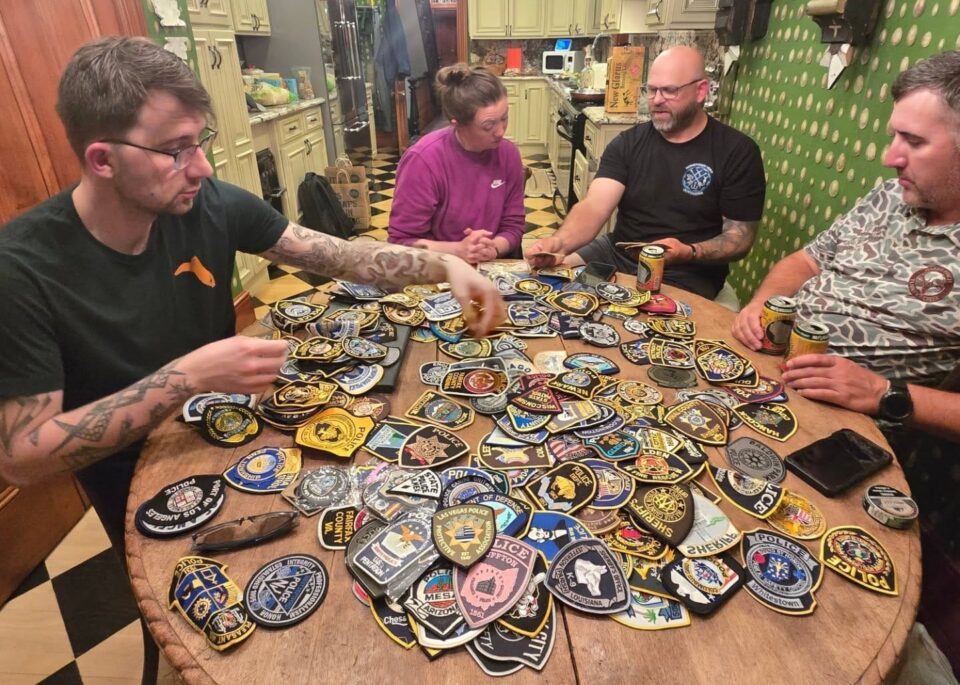
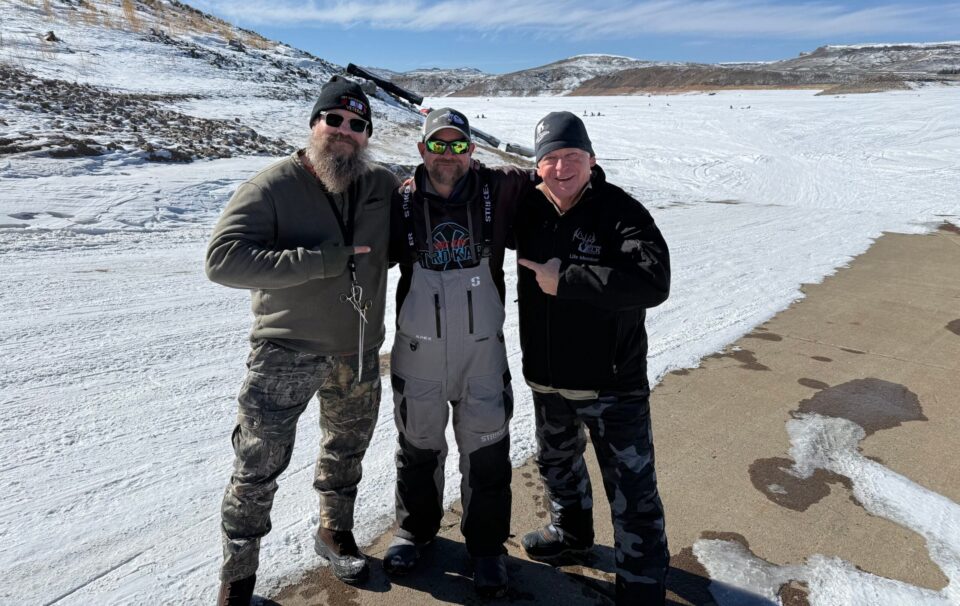
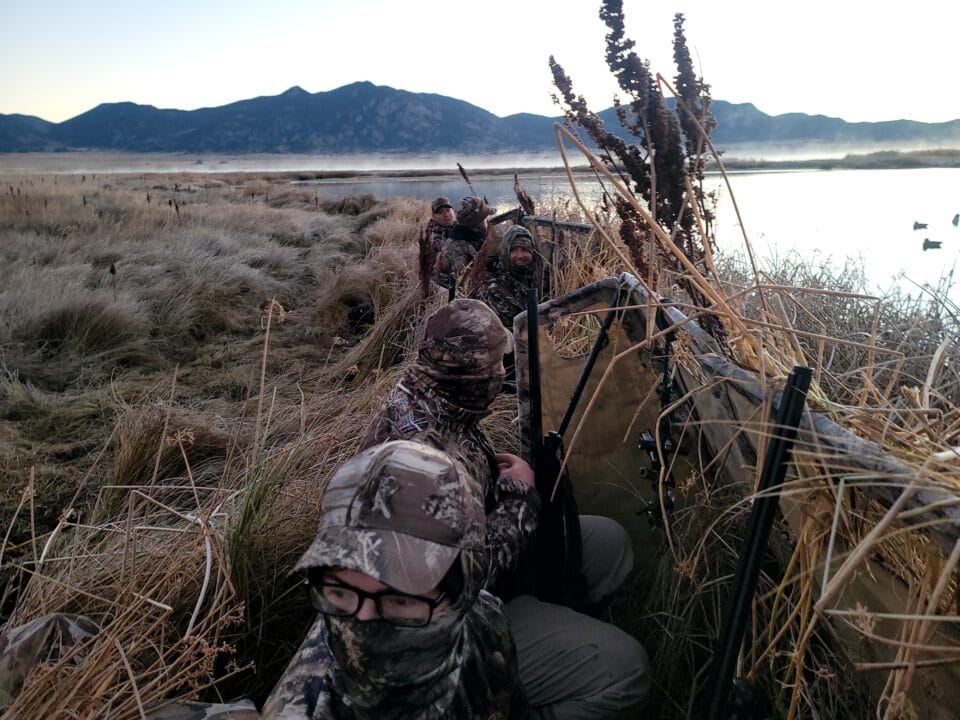
This is why Hometown Hero Outdoors exists. We believe in the profound healing power of the outdoors. Whether it’s a day on the water, a weekend hunt, or simply gathering around a campfire, these experiences do more than create memories.
- They reduce stress and anxiety, offering a reset from daily struggles.
- They restore camaraderie, reminding veterans and responders they are not alone.
- They rebuild purpose, showing that life after service can still be filled with meaning and connection.
Clinical studies and recreation therapy programs confirm what we see firsthand: outdoor recreation improves mental health, reduces PTSD symptoms, and lowers suicide risk.

Our Responsibility
We know the stakes. Every trip we organize, every handshake, every laugh shared outdoors is more than just recreation—it’s prevention. It’s one more chance to stop a tragedy before it happens.
As we mark Suicide Prevention Month, we recommit to our mission: ensuring that those who protect our communities and defend our nation have the support, outlets, and community they deserve.
If You Need Help
If you or someone you know is struggling:
- Call the Veterans Crisis Line by dialing 988 and pressing 1
- Text 838255
- Or start a confidential online chat at veteranscrisisline.net
- Or contact us at Hometown Hero Outdoors to put in contact with our peer support team
Help is available—24/7. You are not alone.
Sources & Further Reading
- U.S. Department of Veterans Affairs, 2024 Annual Suicide Prevention Report
- Eastern Idaho Public Health, First Responders and Veterans Statistics
- FHE Health, Veteran Suicide Rates
- USO, Military Suicide Rates at an All-Time High
- National Institutes of Health, Suicide Risk Among Veterans with PTSD and TBI
- VA Recreation Therapy Programs
- Mountain Valor, Outdoor Recreation and Suicide Prevention
- Journal of Veterans Studies, Outdoor Programs and Mental Health
- NIH, PTSD Treatment with Outdoor Recreation